Yellow Pineapple: A Versatile Handwritten Font for Web Design
In the crowded landscape of digital experiences, the choice of typeface often dictates the first impression a user forms about a brand. As designers, we constantly search for that perfect balance between personality and functionality. Yellow Pineapple emerges as a standout option in this quest. It is not merely another decorative element; it is a robust, cute handwritten font designed to bring warmth and approachability to modern web interfaces. Whether you are crafting a high-converting landing page or building a boutique online store, understanding how to leverage this script font can significantly elevate your visual hierarchy and brand tone.
The Visual Personality of Yellow Pineapple
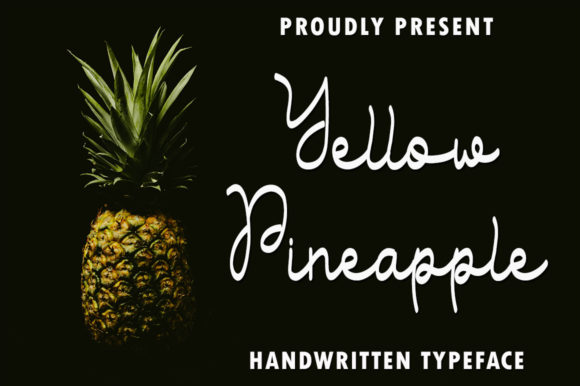
At its core, Yellow Pineapple captures the essence of organic, human connection. Unlike rigid geometric sans serif fonts that dominate corporate websites, this typeface mimics the natural flow of handwriting. The strokes vary in thickness, creating a dynamic rhythm that guides the eye across the screen. This variability is crucial for digital design because it breaks the monotony of standard grid layouts, inviting users to pause and engage with the content.
The "cute" aesthetic mentioned in its description does not imply childishness; rather, it suggests friendliness and accessibility. In the realm of UI design, where trust is paramount, a friendly face in typography can lower the barrier to entry for new visitors. When applied to hero sections or welcome messages, Yellow Pineapple instantly communicates that the brand is human-centric and welcoming. This makes it an ideal candidate for creative portfolios, coaching websites, and lifestyle blogs where the creator's personal voice needs to shine through the pixels.
Strategic Placement in Digital Layouts
While Yellow Pineapple is visually striking, its versatility lies in knowing where to deploy it within a layout. It excels as a display font for headlines, subheadings, and short phrases. Using it for body copy is generally ill-advised due to the inherent complexity of script letterforms, which can hinder readability on small screens. Instead, reserve this premium font for moments that require emphasis and emotional resonance.
- Hero Sections: Use large instances of Yellow Pineapple in your main banner to grab attention immediately. Pair it with a clear value proposition to ensure the message lands.
- Call-to-Action Buttons: While caution is needed with button text, short commands like "Join Us" or "Get Started" look incredibly inviting when rendered in this handwritten style.
- Logo Design: For startups and personal brands, this font offers a unique identity that stands out against the sea of minimalist logos.
- Section Dividers: Use it to break up long blocks of text, adding a touch of editorial flair to product descriptions or blog introductions.
Enhancing Readability and Visual Hierarchy
One of the primary challenges with script fonts in web design is maintaining legibility. Yellow Pineapple addresses this by offering clear character distinctions even at moderate sizes. However, context matters. On mobile devices, where screen real estate is limited, ensure that the font size is generous enough to prevent squinting. A good rule of thumb is to keep the x-height visible and avoid tight kerning that might cause letters to merge on lower-resolution displays.
When designing for dark backgrounds, the contrast provided by the light, airy strokes of Yellow Pineapple creates a sophisticated glow effect. Conversely, on white or light gray backgrounds, the font maintains its structure without losing definition. For image overlays, consider adding a subtle drop shadow or a semi-transparent backing to ensure the text remains readable regardless of the background image's complexity. This attention to detail ensures that your visual hierarchy remains intact, guiding the user from the headline down to the conversion point without confusion.
Mastering Font Pairing for Web Experiences
To truly maximize the impact of Yellow Pineapple, strategic font pairing is essential. The goal is to create a harmonious relationship where the script font adds character while the supporting typeface ensures clarity. A classic and effective combination involves pairing this handwritten font with a clean, neutral sans serif font. The simplicity of the sans serif allows the playful nature of Yellow Pineapple to take center stage without competing for attention.
For a more editorial or sophisticated digital identity, consider pairing it with a modern serif font. This combination works exceptionally well for fashion blogs, luxury boutique stores, or course sales pages that aim to project both creativity and authority. The serif font provides a traditional anchor, grounding the whimsical energy of the script. When selecting your companion typeface, ensure it has similar weight characteristics or complementary proportions to maintain a cohesive brand identity across all design assets.
Practical Applications Across Industries
The adaptability of Yellow Pineapple extends across various sectors. Imagine a SaaS founder launching a new productivity tool aimed at creatives. By using this font for their landing page headers, they signal that their software understands the creative process. Similarly, an online store selling handmade goods can use it for promotional banners, reinforcing the "handmade" aspect of their products.
For digital marketers creating social media graphics, this font serves as a powerful tool for engagement. Short quotes, event announcements, and flash sale notices become more shareable when presented in a friendly, handwritten style. Even in professional portfolio sites, using Yellow Pineapple for project titles can add a personal signature that distinguishes the designer from competitors relying solely on standard system fonts.
Technical Considerations and Licensing
Before integrating Yellow Pineapple into your production environment, it is vital to review the technical specifications. Check for available file formats, ensuring compatibility with modern browsers. Look for webfont options (WOFF2) to optimize loading times, as heavy font files can negatively impact site performance scores. Additionally, verify if the package includes alternates, ligatures, or multiple weights, as these features expand your design possibilities.
Licensing is another critical factor. As a commercial font, Yellow Pineapple typically requires specific permissions for use in client projects, online stores, and digital templates. Always confirm the license terms regarding web usage, embedding in apps, and redistribution. Using a font without the proper commercial license can lead to legal complications and damage your professional reputation. Ensure that the license covers the scope of your project, whether it is a single website or a multi-platform brand kit.
Ultimately, Yellow Pineapple represents more than just a collection of characters; it is a design asset capable of shaping user perception and driving engagement. By thoughtfully applying this versatile script font within your digital ecosystems, you create experiences that feel authentic, engaging, and uniquely yours. Whether you are refining a landing page or rebranding an entire online presence, the right typeface can be the catalyst for a successful digital transformation.